

How to Choose Premium Client Gifts by Relationship and Occasion
A gift for a new client should not need the same brief as a gift marking ten years of partnership. Start with the relationship, the reason for giving and what you actually know about the recipient. Then choose a product and presentation that fit.
This guide helps Singapore businesses turn different client occasions into a focused shortlist. For the full process covering brands, samples, packaging and delivery, use our premium client gift buying guide.
1. Match the gift to the relationship
| Relationship or occasion | A useful direction | What to establish first |
|---|---|---|
| New client or first completed project | A straightforward writing or everyday-use item with a specific thank-you card | Whether a gift is appropriate and what the recipient can accept |
| Long-standing client | An item reflecting a known work routine or interest | Previous gifts and current preferences |
| Partnership milestone | One lasting, practical item with a message explaining the milestone | The date, recipient names and whether recognition is individual or shared |
| Visiting executive | A compact writing or organisation accessory | Luggage space, handover time and travel practicality |
| Year-end appreciation | A consistent standard with a small number of relevant alternatives | The approved list, budget per person and delivery plan |
These are selection directions, not fixed packages or a rule that a longer relationship requires a more expensive gift. Agree an appropriate allowance and check the recipient organisation’s gift policy before shortlisting.
2. For a new client, keep the choice easy to understand
When you know little about someone’s tastes, avoid building a gift around assumptions about hobbies, clothing sizes or devices. A useful notebook or writing item may be easier to assess because its purpose is clear.
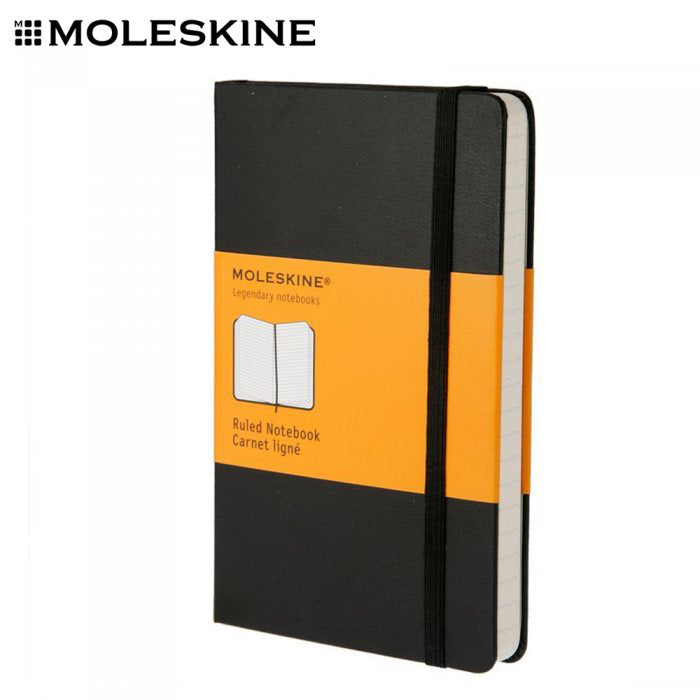
Explore the Moleskine collection for a writing-led shortlist, then confirm the actual size, page format and model. A note thanking the client for a specific completed piece of work gives the gift context without requiring elaborate personalisation.
Example brief: “We need gifts for 20 client contacts after completing a project. Please suggest two writing options within our total per-person allowance, including a thank-you card and delivery to our office.”
3. For a long-standing client, use what you already know
Review the previous gift before ordering another. Repeating the same format may be welcome when it is used regularly, but an identical accessory can also be unnecessary. Ask the account owner for a useful observation rather than a guess.
A client who organises work essentials between meetings may appreciate a suitable option from the Bellroy collection. Someone with a known coffee or hydration routine may suit Stanley drinkware. Choose the exact size and format around that routine; a brand name alone does not establish suitability.
Keep the personal detail professional. “Frequently travels between offices” is enough to guide a shortlist; you do not need an extensive personal profile. Ask for two relevant choices at a comparable finished cost.
4. For a milestone, let the message carry the occasion
A partnership anniversary or completed collaboration can justify more considered presentation. Decide whether you are thanking an individual, a leadership group or a whole client team. That determines quantities and how the message should be addressed.
A practical gift can remain useful after the date has passed. Put detailed milestone wording on a card or presentation element where available, and consider restrained product marking only after the exact model and method are approved.
For example: “Thank you for five years of collaboration. We value the work our teams have built together.” Confirm dates and names before approval. For pens or notebook pairings, see our premium writing gifts guide.
5. For visiting executives, plan the handover
Choose something that can realistically travel home with the recipient. Check the packed dimensions, weight and whether a rigid presentation box adds avoidable bulk. A small organiser or writing gift may be easier to accommodate than a large set.
Confirm who will receive the delivery and when the gift will be handed over. A gift arriving after the visitor departs misses its purpose even if the product is well chosen. Share the required arrival date when asking for a quotation; stock and customisation timing need confirmation.
6. For year-end gifting, control the alternatives
A long client list is easier to manage with a shared presentation standard and a few clearly defined choices. Group recipients by practical preference, such as writing, drinkware or organisation, rather than creating a different bespoke set for every person.
For an illustrative 60-recipient programme, you might shortlist 30 writing gifts, 20 drinkware gifts and 10 organisers. Those are planning quantities, not confirmed order minimums. Check minimums and setup charges for each model, colour and marking method before approving the split.
Keep any budget tiers internal. Gifts presented together should feel considered and appropriate; differences should follow an approved brief rather than an improvised ranking of recipients.
Gifts for financial-institution contacts: confirm the brief first
When a recipient works at a bank or another financial institution, ask the account owner to confirm whether a gift can be accepted and whether internal approval is needed before selecting products. Use the recipient organisation’s current requirements; a familiar brand or a modest-looking item does not establish acceptability.
Once the gifting brief is approved, shortlist around a known professional use rather than assumptions about seniority:
- Meeting and writing use: compare notebook size, page format and writing preferences. Browse Moleskine notebooks and confirm the exact model and available marking.
- Organising work essentials: explore Bellroy accessories where the format suits the recipient’s routine. Check dimensions and intended contents.
- Known daily-use preference: consider an appropriate item from the branded gifts collection, with a simple alternative if the preference is uncertain.
For a group handover, agree a consistent presentation standard. Confirm names, titles and card wording with the account owner, and separate original brand packaging from any additional box or sleeve in the quotation. Do not promise a particular finish until the selected model’s customisation options have been checked.
Example enquiry: “We have approval to shortlist gifts for eight financial-institution contacts following a completed collaboration. Please quote two writing options within our approved total allowance, including cards and delivery to our office. Confirm product availability, packaging and any branding restrictions.” This is a planning example, not a minimum-order or acceptance rule.
Send ExecutiveGifts the approved brief with the occasion, quantity, product preferences, presentation requirements and receiving date. Keep the recipient-policy decision with your organisation and the recipient organisation; the supplier quotation confirms the proposed products and order scope.
Planning a client briefing or investment seminar? GiftMart’s seminar delegate-pack checklist covers session materials, attendee and speaker quantities, and venue handover.
7. Turn the shortlist into a comparable quotation
Ask for the complete cost per recipient, including the selected item, permitted branding, card, packaging, assembly, delivery and applicable tax. Specify what must fit inside the allowance, and ask which elements can be simplified if the total is too high.
- Recipient and occasion: who the gift is for and why it is being given.
- Quantity by option: separate each model or recipient group.
- Known preferences: relevant routines and previous gifts to avoid repeating.
- Presentation: product marking, card wording, packaging and named items.
- Timing: required arrival date, handover date and delivery locations.
Ask ExecutiveGifts to confirm availability, brand-specific customisation restrictions, sample arrangements and minimum quantities for the exact shortlist. Original brand packaging and additional gift packaging should be identified separately.
Common client-gifting questions
Should every client receive the same gift?
Use the same gift when the recipient needs are similar. Offer a small number of alternatives when practical preferences differ, while keeping presentation and approval standards consistent.
Does premium gifting always need a logo on the product?
No. A personal message or suitable presentation element can connect the gift to your company. Product marking depends on the model, material and brand restrictions; confirm it before ordering.
What if we do not know the recipient’s preferences?
Keep the brief simple, choose a clear everyday purpose and avoid products that depend on specific fit or device compatibility. Ask the account owner to confirm suitability before committing.